Do safari guides speak English? If you’re planning your first trip to Kenya, this question probably sits near the top of your list, right after “will I see a lion” and “is the water safe to drink.” The short answer is yes. English is the working language of Kenya’s safari industry. Every licensed guide you meet in the Maasai Mara, Amboseli, or Samburu speaks it well enough to explain what a dung beetle is doing with that ball of buffalo droppings.
But “speaks English” covers a wide range, from basic tourist small talk to detailed explanations of lion pride dynamics and acacia tree ecology. Here’s what you actually need to know before you book.
Do Safari Guides Speak English on Every Kenya Safari?
Yes, and it’s not by accident. English is one of Kenya’s two official languages, alongside Swahili, and it’s the language of instruction in Kenyan schools from upper primary onward. Most safari guides grew up speaking a local language at home, learned Swahili as a national lingua franca, and studied English in school. By the time someone becomes a professional guide, English is usually their third language, not their first. They’ve had years of practice using it with international guests.
At Valley Safaris, every guide we work with conducts game drives, briefings, and general conversation in English as a baseline. You won’t need to mime “where is the bathroom” or point at a menu and hope for the best.
Guide Training and Certification: What KPSGA Levels Actually Mean
The reason Kenyan guiding has a strong reputation isn’t luck. It comes down to a certification system called KPSGA, run by the Kenya Professional Safari Guides Association.
Guides are tested and ranked into tiers:
- Bronze: entry level. Covers basic wildlife identification, safety protocols, and client communication in English.
- Silver: a significant step up. Requires deeper knowledge of animal behavior, ecology, and often a foreign language on top of English.
- Gold: the highest tier, held by a small number of guides in the country. Gold-level guides can discuss ecosystem relationships, bird calls, and geology in real depth, not just point out “there’s a zebra.”
This matters for the language question because the exam itself is conducted and scored in English. A guide with a Silver or Gold pin has proven, under testing conditions, that they can communicate complex ecological information clearly. If you want a guide who can go beyond “big cat, over there,” look for KPSGA Silver or Gold status. That guide can explain why a cheetah hunts differently from a leopard. It’s a fair question, and a good operator will know the answer immediately.
Beyond English: What Other Languages Do Guides Speak?
Most Kenyan guides are naturally multilingual, just not always in the language you’re hoping for. A typical guide in the Mara might speak:
- English
- Swahili (Kenya’s other official language)
- Their mother tongue, often Maa, Kikuyu, Kalenjin, or Luo, depending on where they grew up
French, German, Italian, and Spanish speakers exist in the guiding community. They’re most common among guides who work regularly with European tour groups or who trained at hospitality schools with language tracks. They’re a smaller pool than English-only or English-and-Swahili guides, and demand for them spikes during the European high season from June to September.
Fluency in your first language matters most for older travelers, or anyone who’d feel more comfortable navigating a medical or safety situation in their native tongue. If that’s you, plan ahead rather than hoping for the best on arrival.
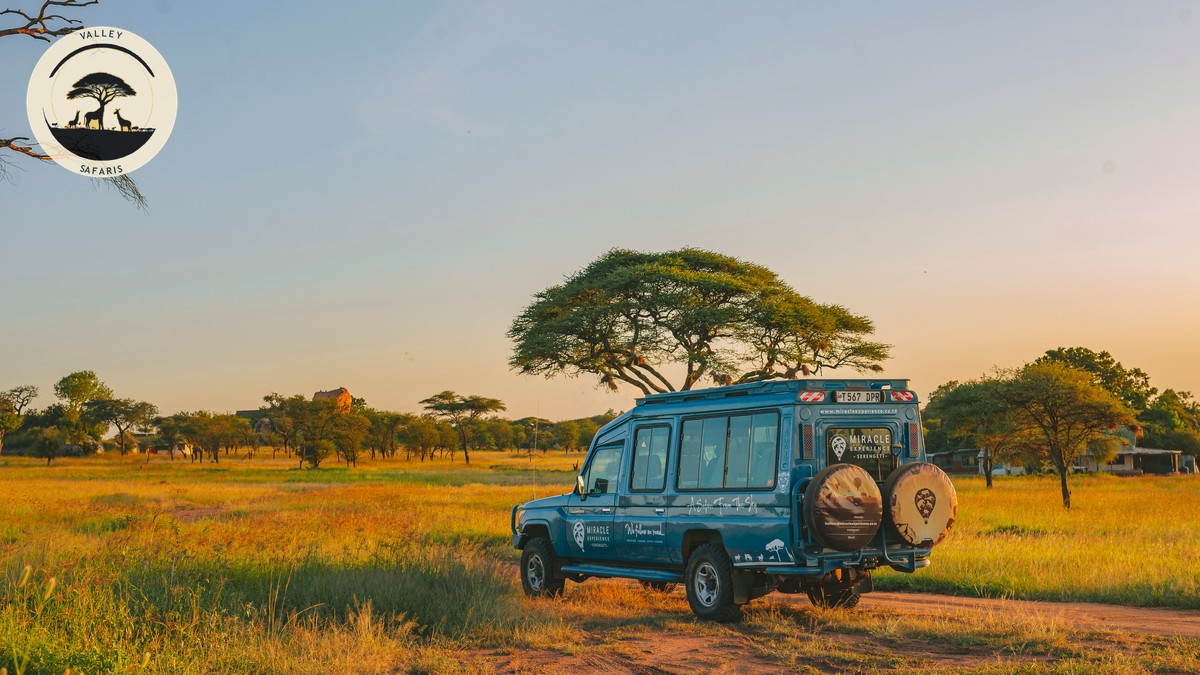
How to Request a Guide Who Speaks Your Language
Here’s the honest trade-off competitors rarely mention: a French or German-speaking guide isn’t standing around waiting at every lodge. They’re often booked out weeks in advance during peak months.
If you want a guide fluent in a language other than English or Swahili, tell your operator at least 4 to 6 weeks before travel. Book earlier if you’re arriving between July and September or over Christmas week. This gives us time to match you with the right person instead of scrambling two days before your flight.
This is exactly the kind of detail we’d cover if you reach out about planning your first Kenya safari. We’ll talk through which region, which camps, and which guides fit your language needs, not just your wildlife wish list.
Do Lodge, Camp, and Driver Staff Speak English Too?
Yes, generally, though fluency varies more by role than by region. Front-of-house staff, camp managers, and drivers who double as guides all work in English daily and communicate comfortably. Housekeeping staff, porters, and kitchen teams may have more limited English, since their roles don’t require the same client-facing communication.
None of this affects your safety or your ability to get what you need. Basic requests like “more hot water please” or “can we start earlier tomorrow” are understood everywhere. The exception is specialized conversations, like a driver explaining vehicle mechanics or a chef describing a specific dish. There, English fluency might be functional rather than fluent.
Comparing Language Support Across Popular Safari Regions
Language availability, drive times, and park fees vary by destination. Here’s a realistic snapshot for planning purposes.
| Region | Distance from Nairobi | Drive Time | Park Fee (Non-Resident, per day) | Typical Guide Language Mix |
|---|---|---|---|---|
| Maasai Mara National Reserve | About 270 km | 5 to 6 hours by road | $80 (Mara Triangle: $70) | English, Swahili, Maa; French/German available with advance notice |
| Amboseli National Park | About 240 km | 4 to 5 hours by road | $60 | English, Swahili, Kikuyu; some Italian speakers |
| Samburu National Reserve | About 325 km | 6 to 7 hours by road | $70 | English, Swahili, Samburu/Maa; fewer non-English options |
| Lake Nakuru National Park | About 160 km | 2.5 to 3 hours by road | $60 | English, Swahili, Kikuyu |
Fees are indicative and set in USD by park authorities; they can change with policy updates, so always confirm current rates when booking. Fly-in options to airstrips like Keekorok or Kichwa Tembo cut Mara drive time to under an hour but cost more.
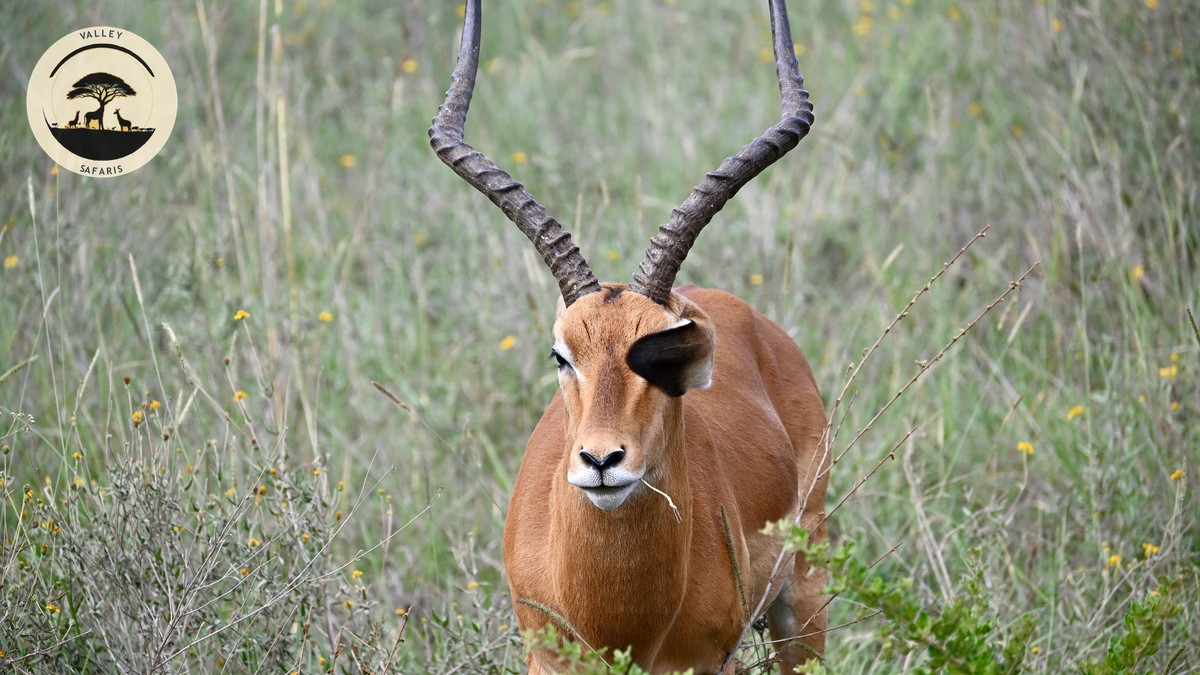
A Few Swahili Words Worth Knowing Anyway
You don’t need Swahili to have a great trip, but a handful of words go a long way with your guide and camp staff:
- Jambo (hello, casual)
- Asante (thank you)
- Asante sana (thank you very much)
- Karibu (welcome, or you’re welcome)
- Twiga (giraffe)
- Simba (lion)
- Tembo (elephant)
- Chakula (food)
- Pole pole (slowly, slowly, a useful phrase for pretty much all of Kenya)
Guides genuinely appreciate the effort, and it often opens up warmer, more personal conversations during long game drives.
How to Spot a Well-Trained Guide
Fluent English is only part of the picture. A strong guide should also:
- Explain animal behavior, not just name the animal
- Read radio updates from other vehicles and translate them into a clear plan
- Handle safety briefings calmly and thoroughly before night drives or walking safaris
- Adjust explanations based on whether you’re traveling with kids, birders, or photographers
We put together a full list of questions to ask your safari guide before you go, including a few that reveal how experienced and well-trained your guide really is, beyond just their language skills.
Language also matters if your trip includes a community visit. If you’re visiting a Maasai village, your guide’s role as translator matters even more. Much of that conversation happens in Maa first and English second.
The Valley Safaris Difference
We match guides to guests, not the other way around. When you book with us, we ask about language needs upfront, not as an afterthought. Maybe you need a Gold-level KPSGA guide who can go deep on ecology. Maybe you need a French-speaking driver-guide for grandparents who are more comfortable in their first language. Either way, we build that into your itinerary from day one.
We’ve spent years working directly with guides across the Mara, Amboseli, and Samburu. We know who holds which certification, who speaks what, and who has the patience for a car full of curious kids asking “what’s that” every thirty seconds. That’s the kind of planning that turns a good safari into the trip people talk about for years.
Plan Your Trip With Valley Safaris
Ready to start planning a safari where every detail, including language, fits your group? Visit our tour pages to see itineraries by region, or get in touch through our contact page to tell us who’s coming and what you need. We’ll take it from there.